
Coach Styles
Pre-war, Rolls-Royce produced what were called a running chassis. Independent coach builders produced the actual body, usually to the custom specifications of the buyer. In combination with continuous improvements in engine and chassis engineering, virtually every small horsepower car and the contemporaneous Silver Ghost and Phantoms were a unique creation. These are examples of the various coach style mounted on small horsepower chassis. Over time, we may add information and statistics on coach builders.
Body Styles
Open Body
These were popular for owner-drivers and touring, particularly in the earlier years of the 20hp.
Open Tourer: A four-door car with a folding fabric top and removable side curtains. These were often favored for their lighter weight on the smaller chassis.
Drophead Coupé (DHC): A more sophisticated convertible with a lined, padded top that folded down. It featured roll-up glass windows, providing much better weather protection than a standard tourer.
Doctor’s Coupé: A compact, two-door fixed-head body, often with a "dickery" (rumble) seat in the rear, designed for professionals who drove themselves.
Enclosed Formal
As the 20/25 and 25/30 gained more power, heavier enclosed bodies became more common.
Saloon (Sedan): The standard four-door enclosed body. "Six-light" saloons had three windows per side, while "four-light" versions had two, often appearing more sporting.
Limousine: Designed for chauffeur-driven use, featuring a glass partition between the driver and the rear passengers.
Sedanca de Ville: A prestigious style where the rear compartment was fully enclosed, but the driver’s compartment had a removable or sliding roof.
Design Evolution
The 1920s: Bodies were characterized by horizontal radiator slats (on the 20hp) and more vertical, "boxy" silhouettes reminiscent of horse-drawn carriages.
The 1930s: As aerodynamics became trendy, the "small" cars adopted vertical radiator shutters (standardized after 1928) and "razor-edge" or "swept-tail" styling, where the trunk (boot) was integrated into the body line rather than being a separate box.
Key Coachbuilders
While Rolls-Royce eventually acquired Park Ward in 1939, many independent firms specialized in these smaller chassis:
Barker & Co.: The "official" coachbuilder; known for classic, conservative elegance.
Hooper & Co.:Renowned for "Royal" quality and very formal limousines.
H.J. Mulliner: Balanced lightweight construction with very refined, sporting lines.
Gurney Nutting: Famous for the "Weymann" patent (fabric-covered) bodies and streamlined 1930s designs.
Albany: Often produced sturdy, well-proportioned open and closed bodies for early 20hp models.
Shooting Brakes
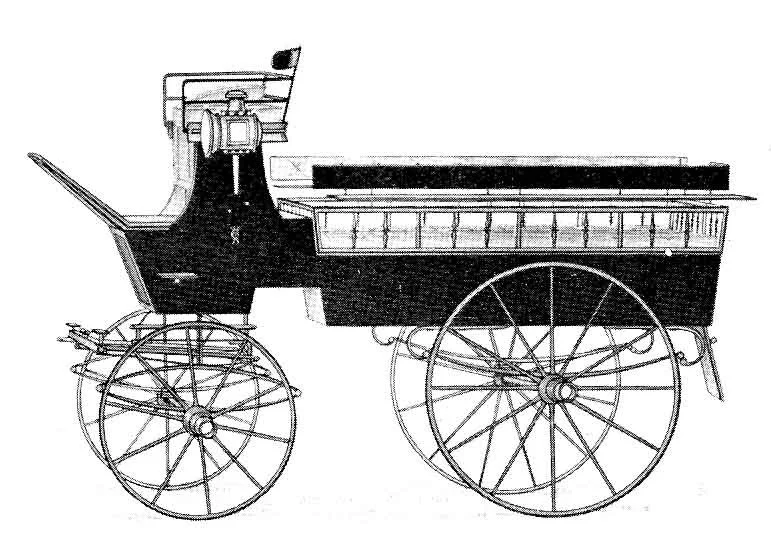
Circa 1860. Contributed by John de Campi. This type carriage is an example of those that evolved to motor coaches.
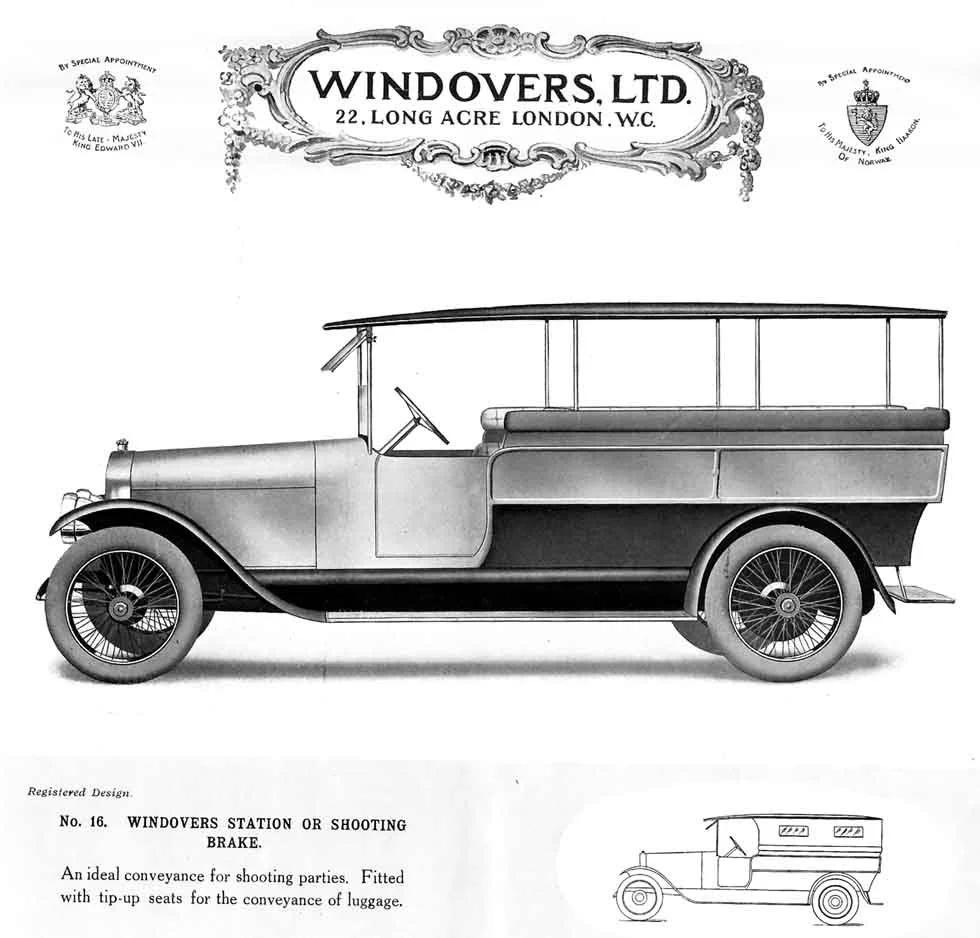
Circa 1919. Contributed by John de Campi.
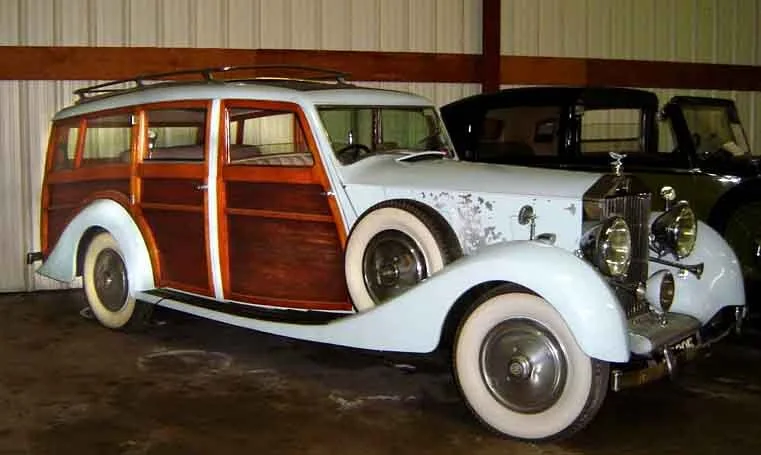
This is probably WRB20 a 1939 Wraith with body by (French) Bender. The auction picture from 1995 contains some details, although the chassis number has a typo. Originally a H.J. Mulliner Limousine built for Lord Brocket. It was a staple of the Gene Littler collection and may currently be finished in a dark green.
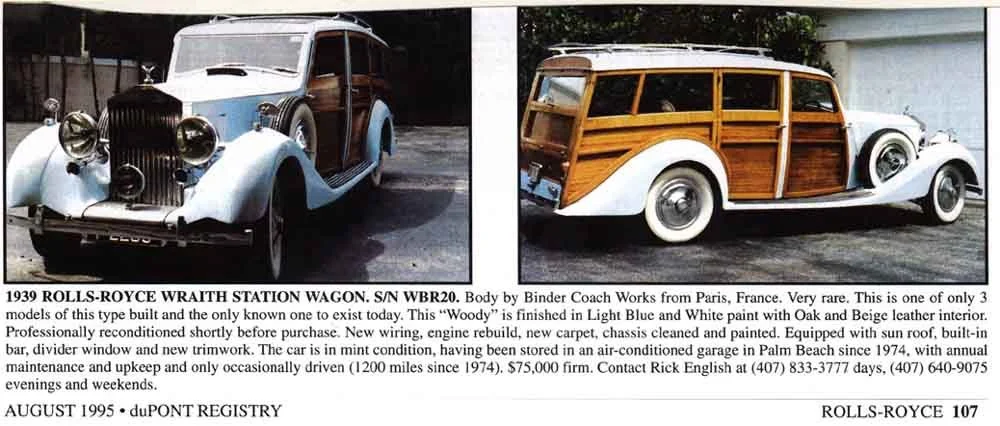
This is probably WRB20 a 1939 Wraith with body by (French) Bender. The auction picture from 1995 contains some details, although the chassis number has a typo. Originally a H.J. Mulliner Limousine built for Lord Brocket. It was a staple of the Gene Littler collection and may currently be finished in a dark green.
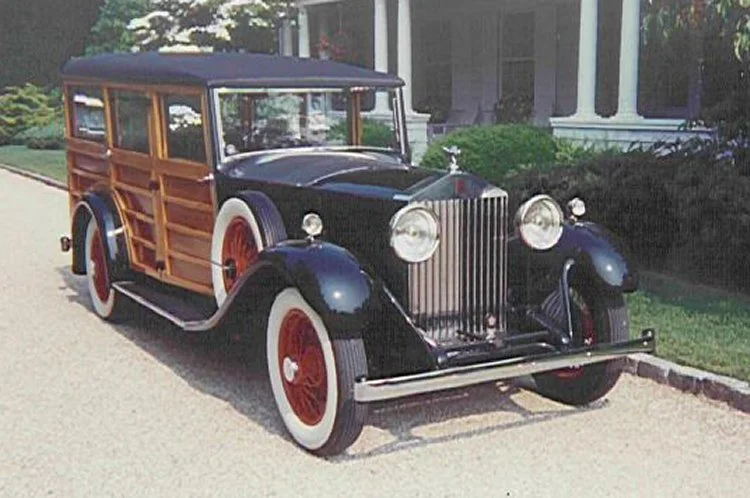
1932 20/25 GAU2, original British registration GX 8285. Formerly owned by Christopher Hutchins of Maine, Much of its mechanical preservation was handled by the noted specialist Frank Cooke at The Vintage Garage.
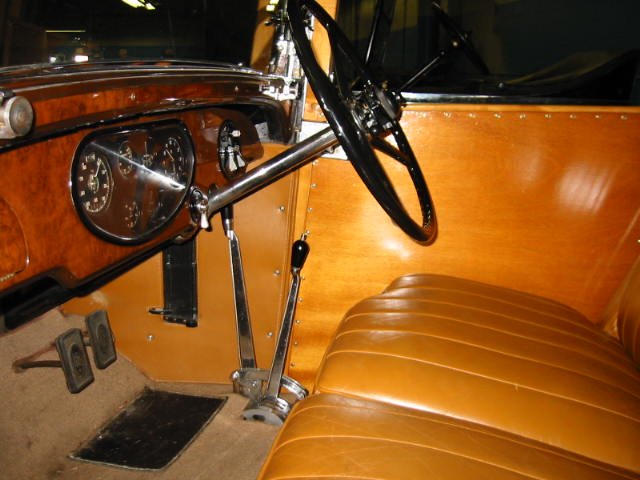
1932 20/25 GAU2, original British registration GX 8285.
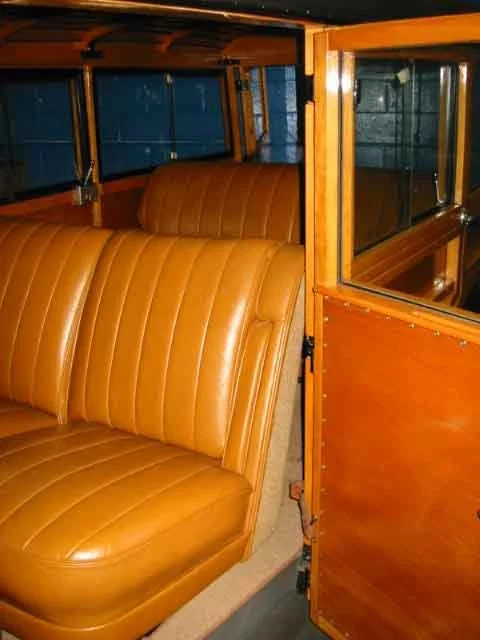
1932 20/25 GAU2, original British registration GX 8285.
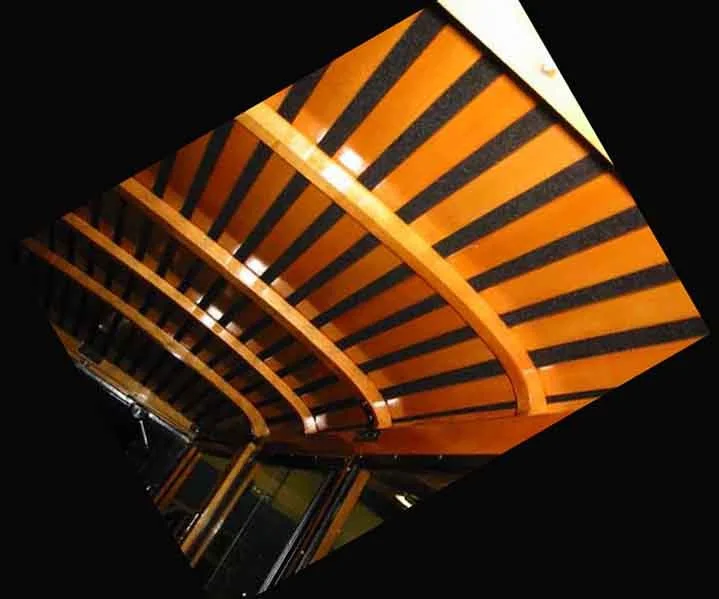
1932 20/25 GAU2, original British registration GX 8285. Classic 'canoe' headliner.
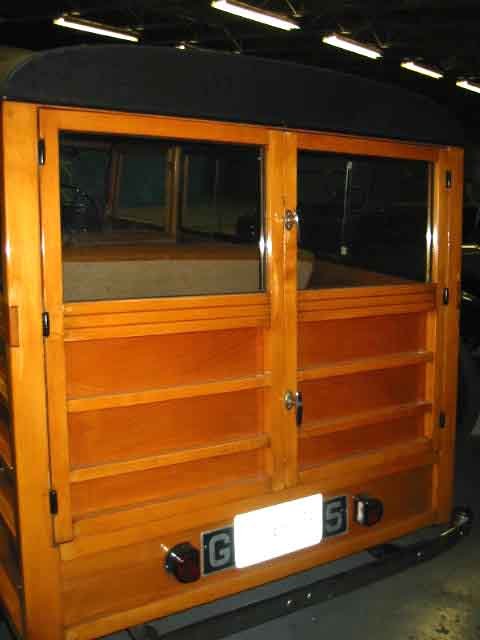
1932 20/25 GAU2, original British registration GX 8285.
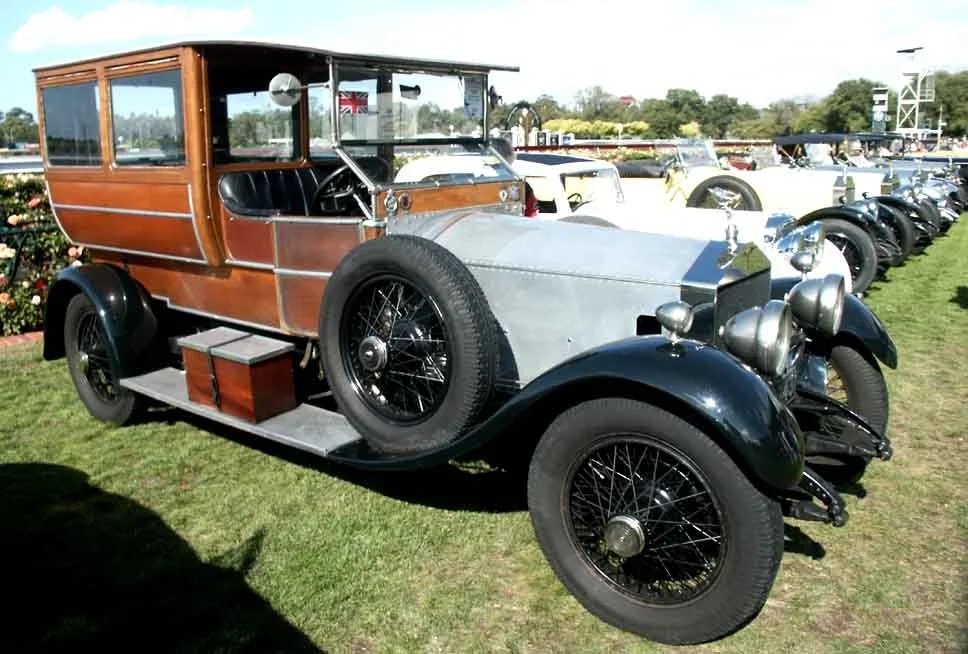
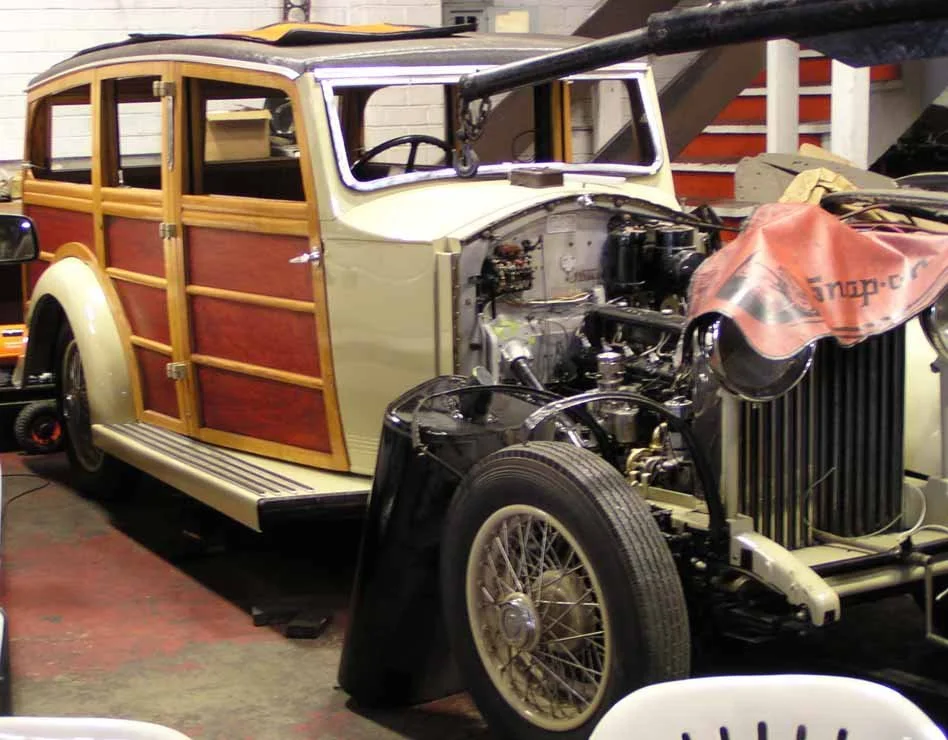
This 1933 20/25 was at the time of the photo being worked on in Hayward, Ca. for Neil Young (of Crosby, Stills, Nash, & Young). Known as "Wembley" because Young bought it in London immediately after a 1974 concert at Wembley Stadium. Originally a Hooper limousine. Young parted with it in 2009.
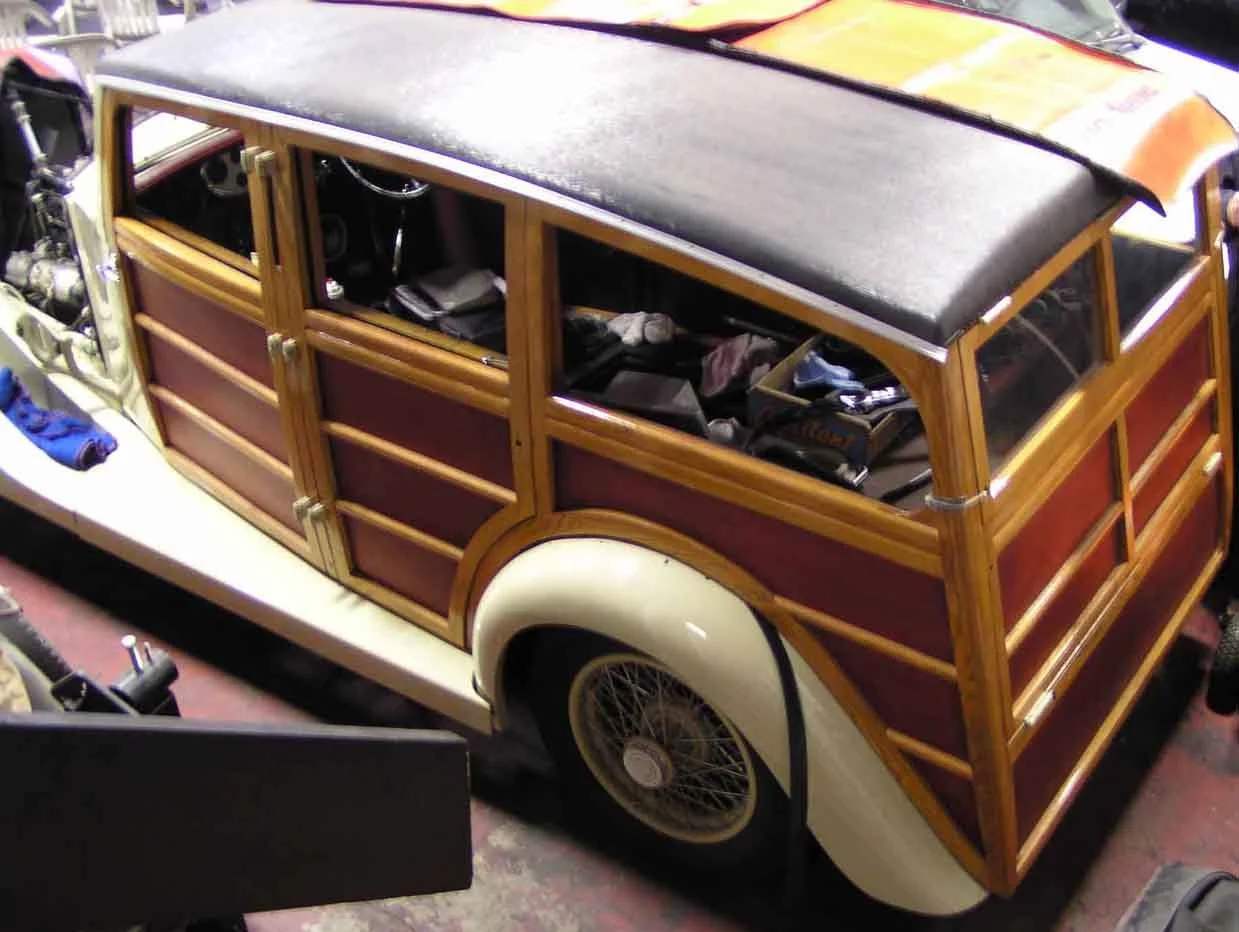
This 1933 20/25 GEX77 was at the time of the photo being worked on in Hayward, Ca. for Neil Young (of Crosby, Stills, Nash, & Young). Known as "Wembley" because Young bought it in London immediately after a 1974 concert at Wembley Stadium. Originally a Hooper limousine. Young parted with it in 2009.
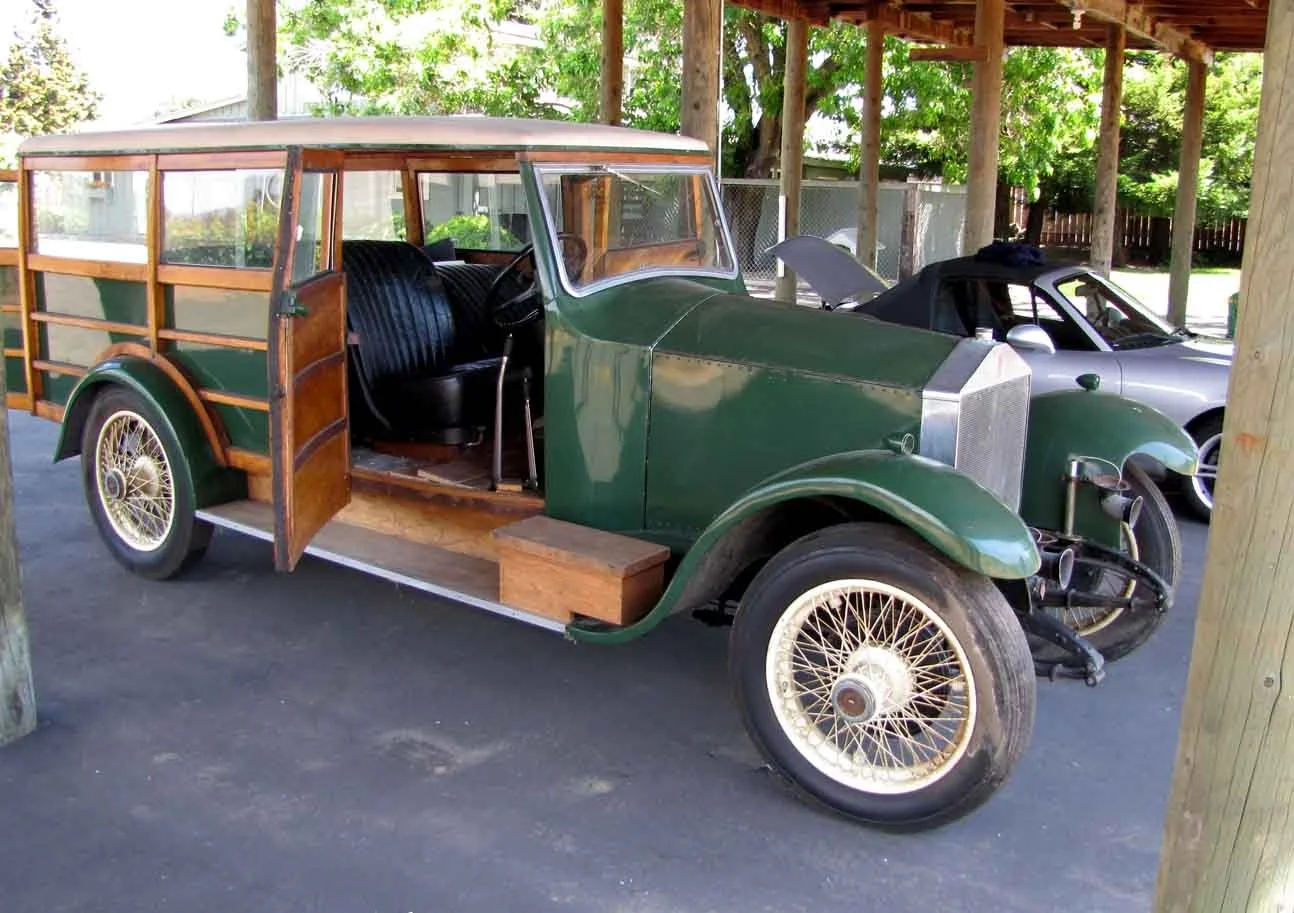
At the time of this photo, this 1927 20 HP GRJ70 was owned by Robert Cory and was in a "driver" restoration in Northern CA.
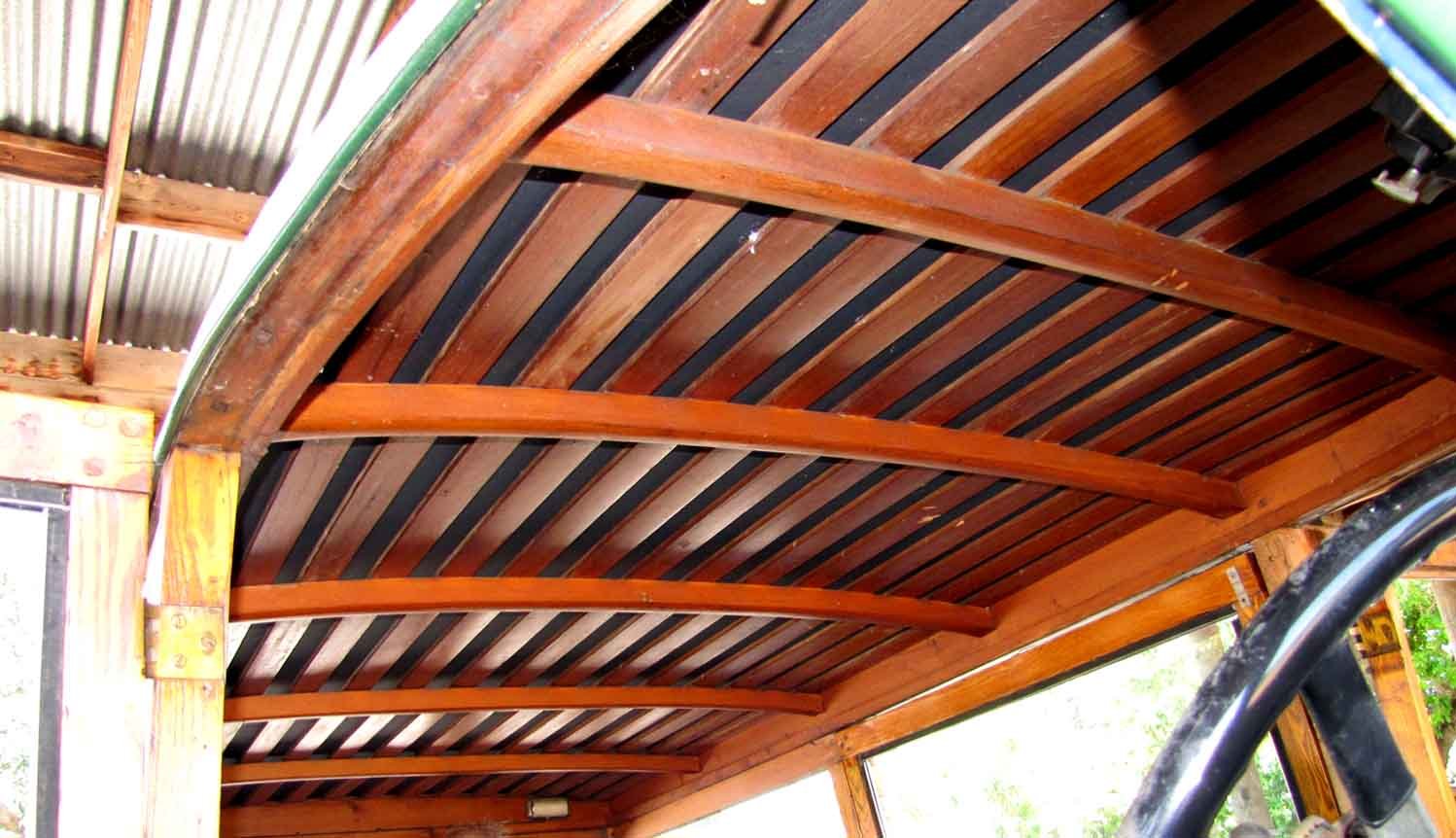
At the time of this photo, this 1927 20 HP GRJ70 was owned by Robert Cory and was in a "driver" restoration in Northern CA.
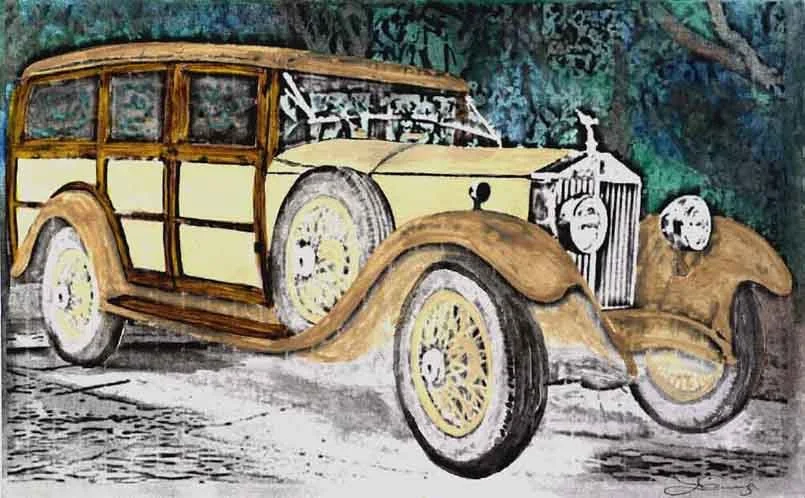
This is a computer aided rendering of John Carey's 1929 20 HP (GEN36) used to model for restoration. The coachbuilder is unknown and any assistance with information is appreciated.
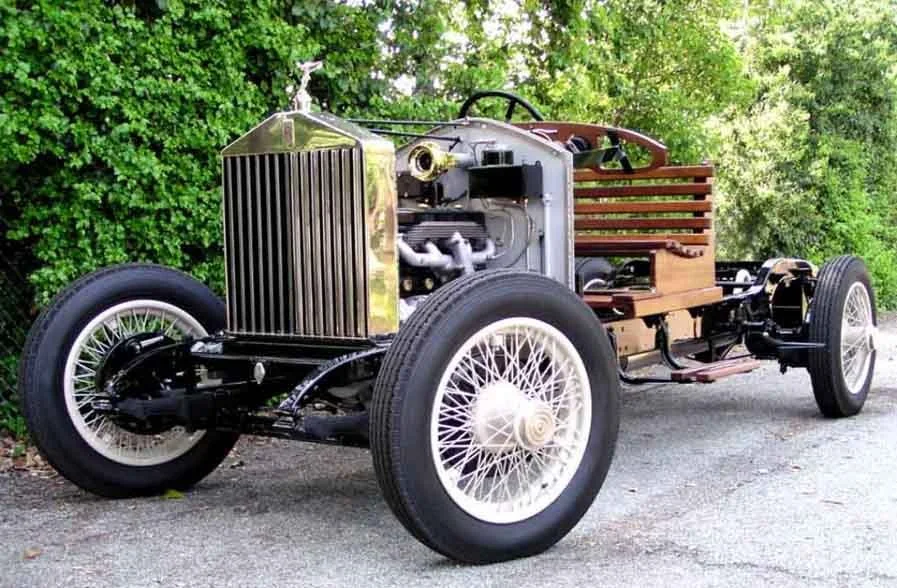
1929 20HP GEN36. Chassis completed by John Carey in 2004 (like it left the RR line in 1929 headed for the coachbuilder).
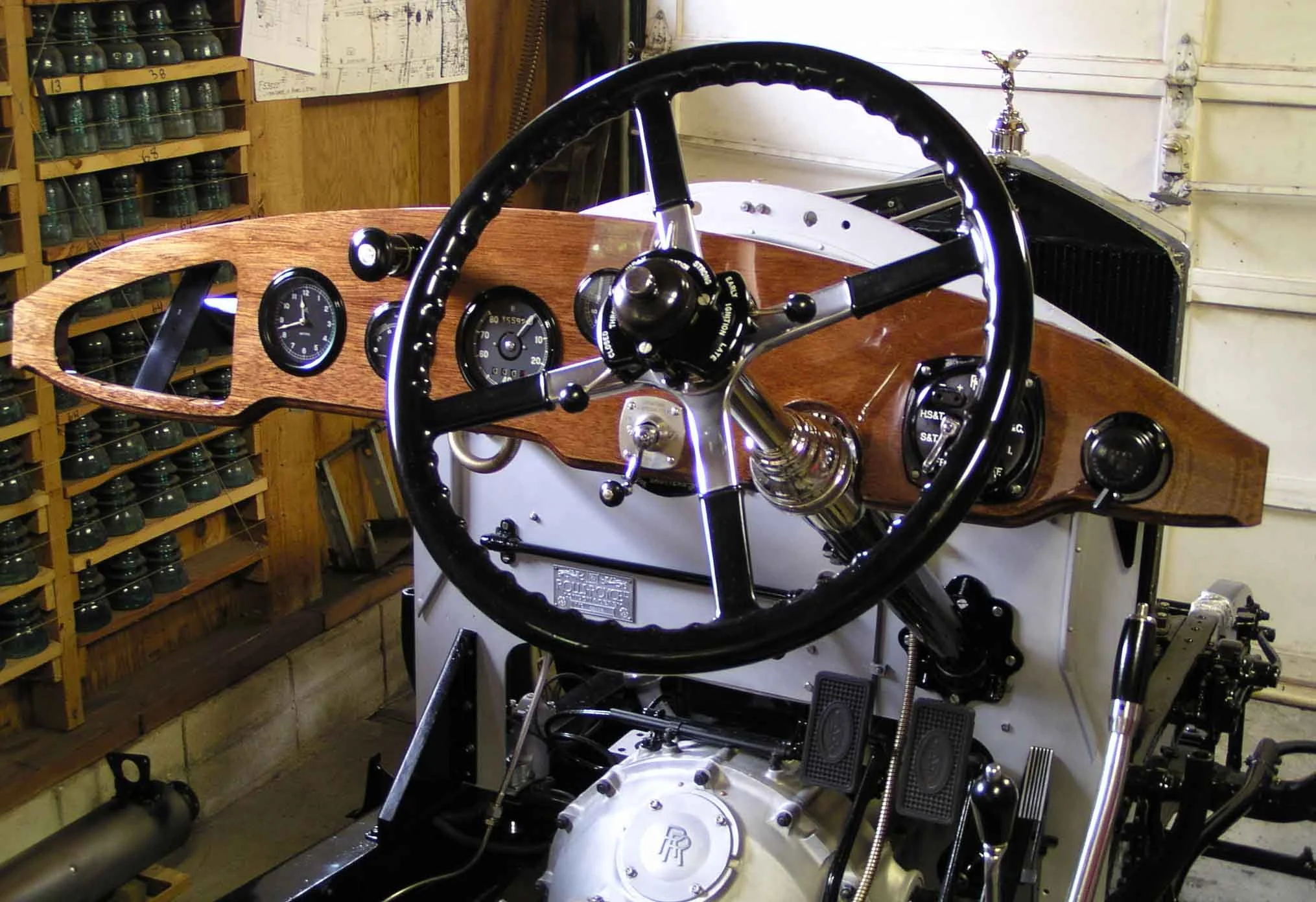
John Carey's 1929 20HP GEN36. Instrument board and dash.
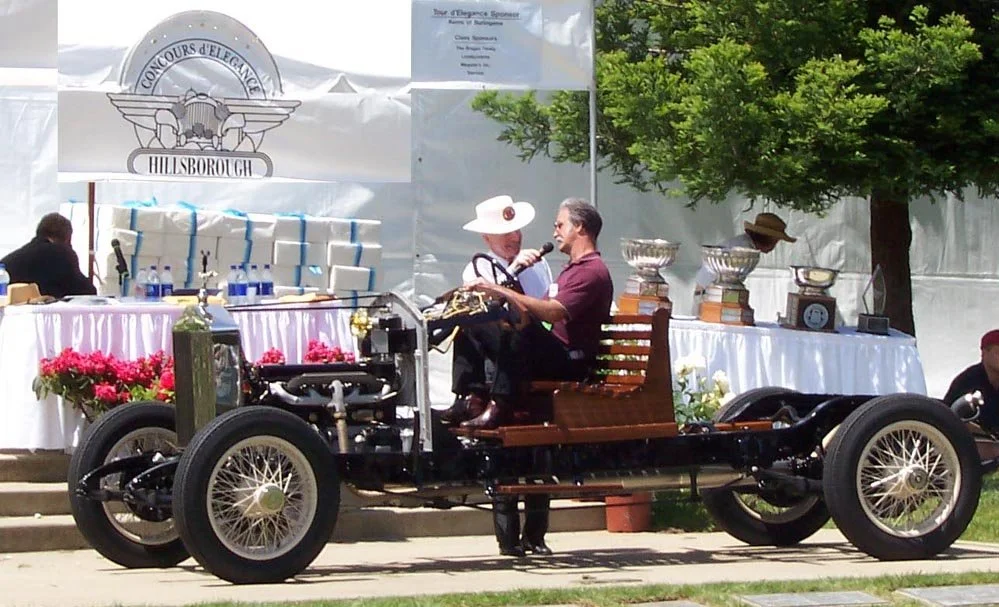
John Carey's 1929 20HP GEN36. The first show for "Gen." On the ramp for the parade of excellence at Hillsborough (CA) Concours May 1, 2005. This was it's first public outing in over 30 years.
John Carey's 1929 20HP GEN36.
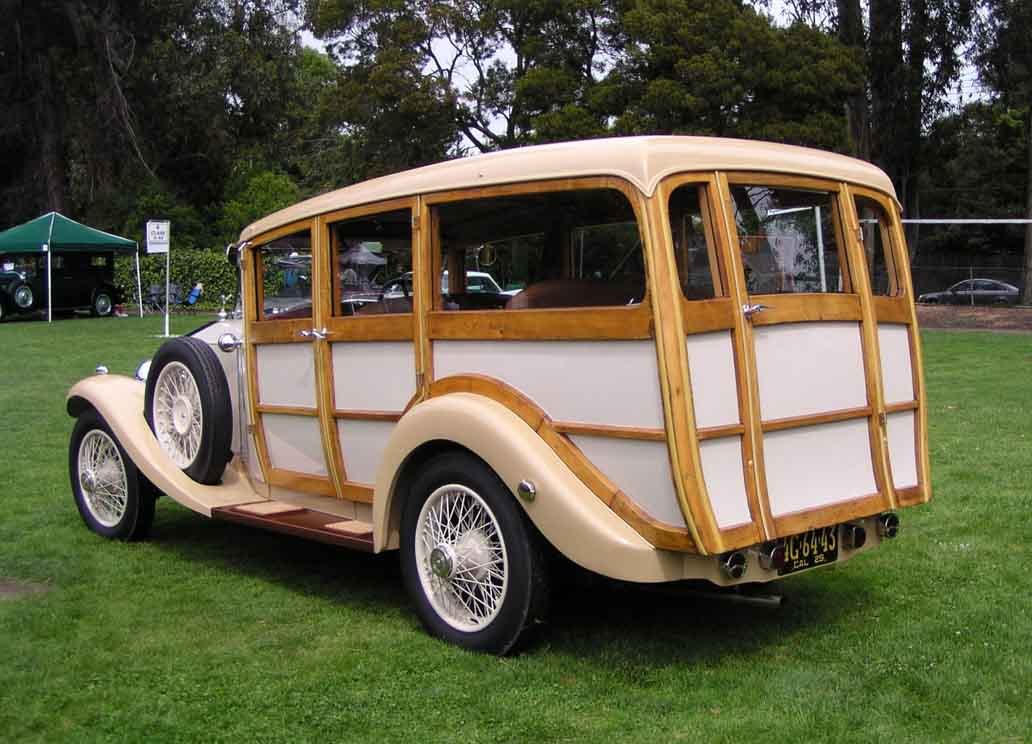
John Carey's 1929 20HP GEN36.
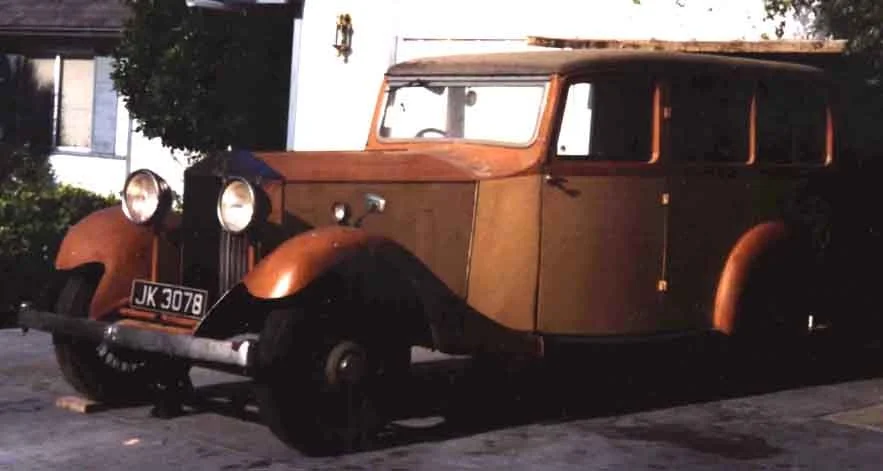
This 1933 20/25 was owned by Blaine Johnson (CA) at the time of the photo.
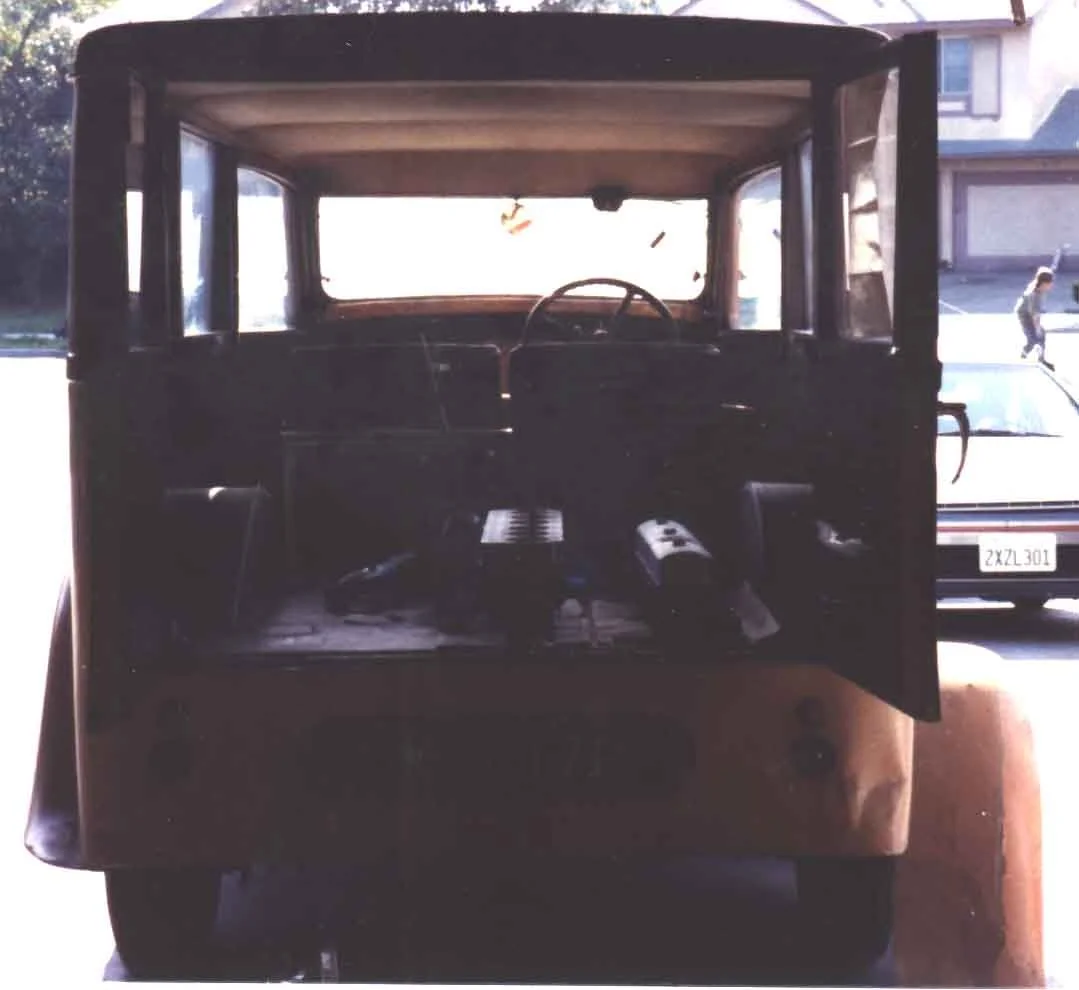
This 1933 20/25 was owned by Blaine Johnson (CA) at the time of the photo.
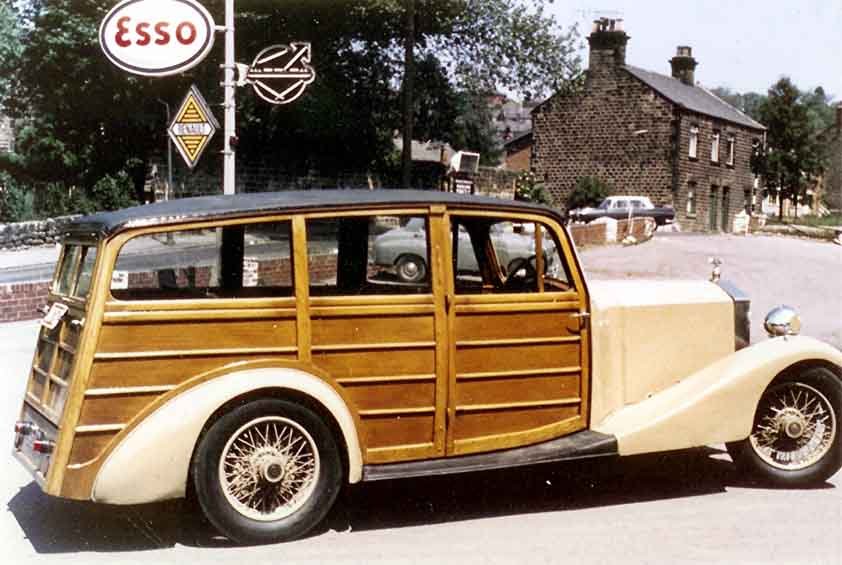
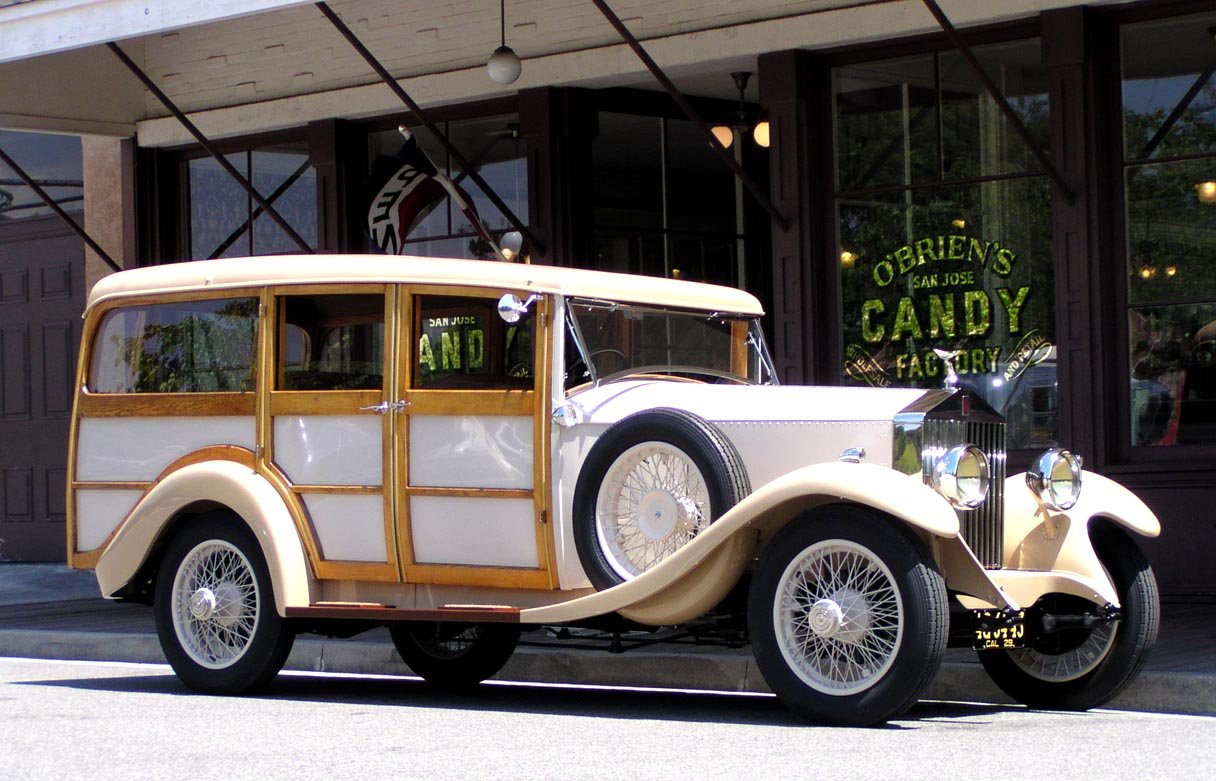
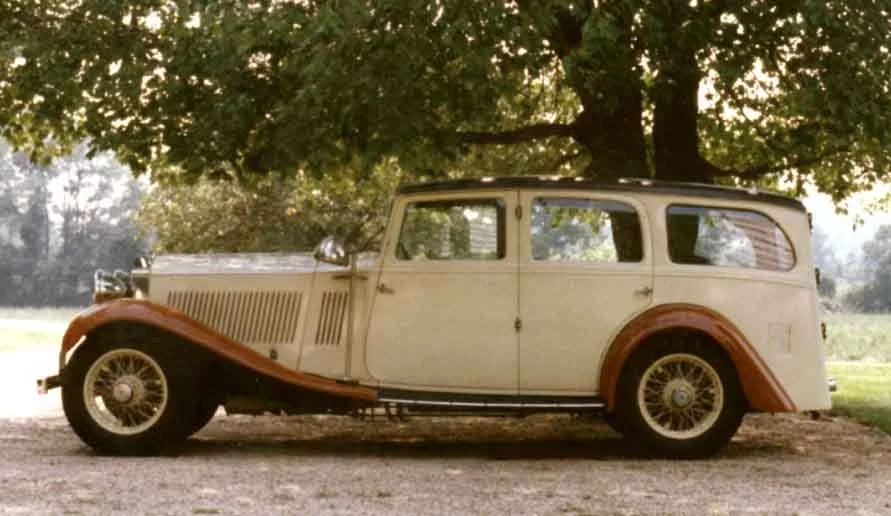
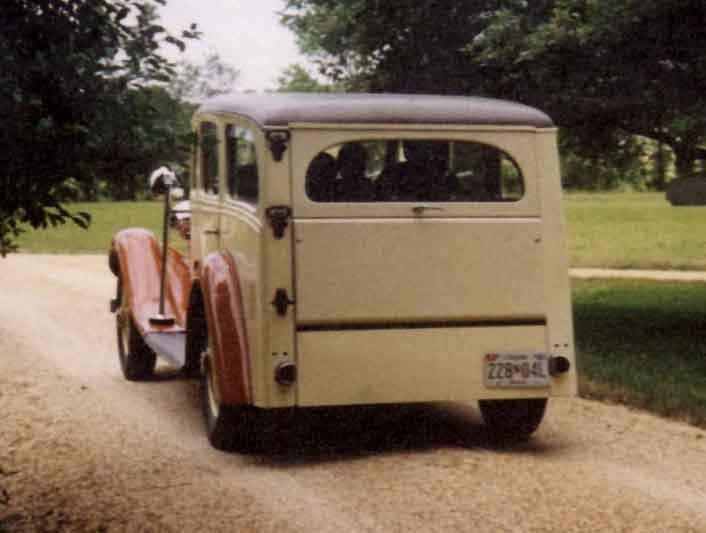
This 1930 20/25 Shooting Brake (GGP44) is shown as it appeared in Scotland owned and driven there forty years ago by John de Campi.
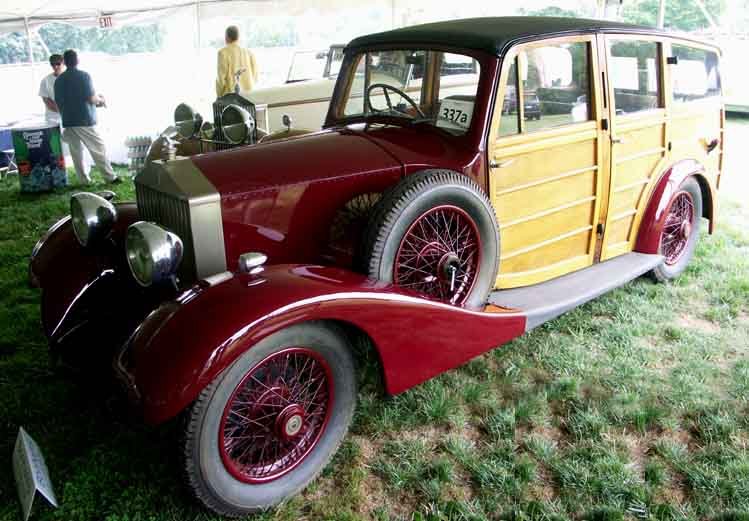
John de Campi's 1930 20/25 Shooting Brake (GGP44) recently owned by Glyn Morris of Illinois.
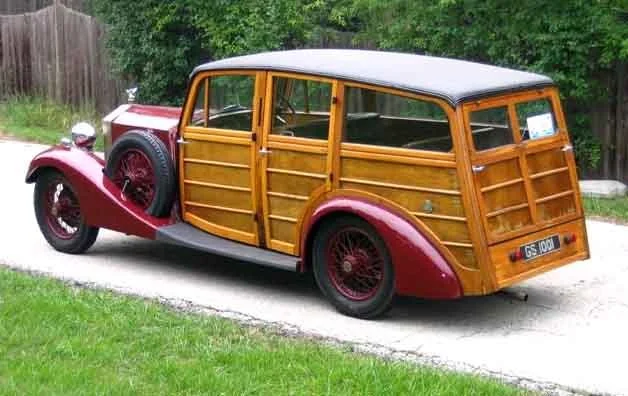
John de Campi's 1930 20/25 Shooting Brake (GGP44) recently owned by Glyn Morris of Illinois.
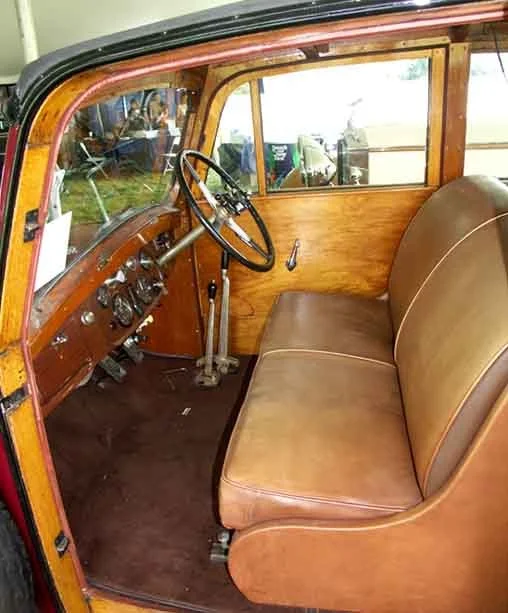
John de Campi's 1930 20/25 Shooting Brake (GGP44) recently owned by Glyn Morris of Illinois.
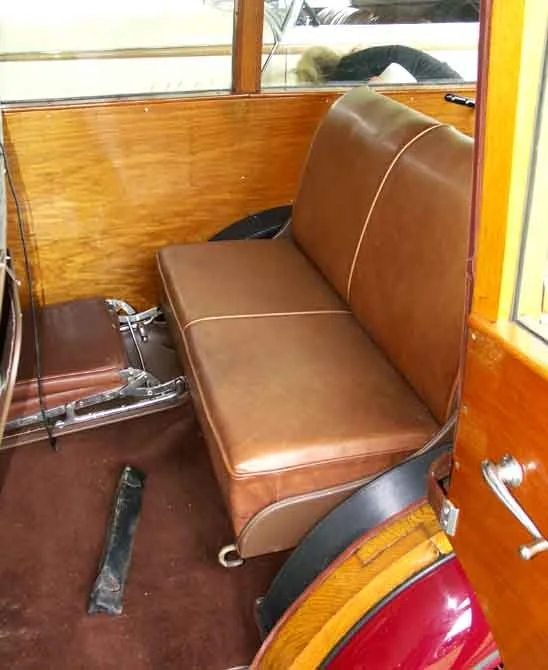
John de Campi's 1930 20/25 Shooting Brake (GGP44) recently owned by Glyn Morris of Illinois.
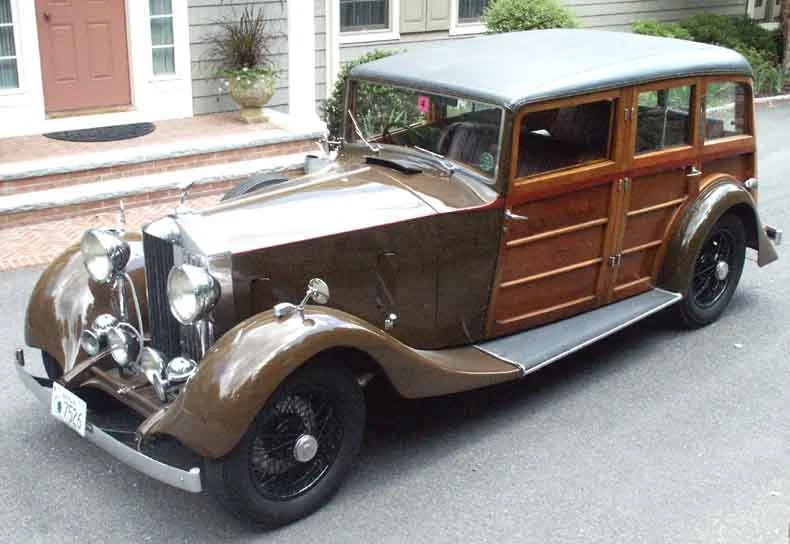
While this website described this shooting brake as a 1934 20/25 Cockshoot chassis GED68 owned by Mark Harrison (NH). However, GED68 is a Park Ward Saloon owned by Mark Harrison. Givne the UK registration plate XSU 899, it is more likely GYD21 a 1934 20/25 Cockshoot Shooting Brake.
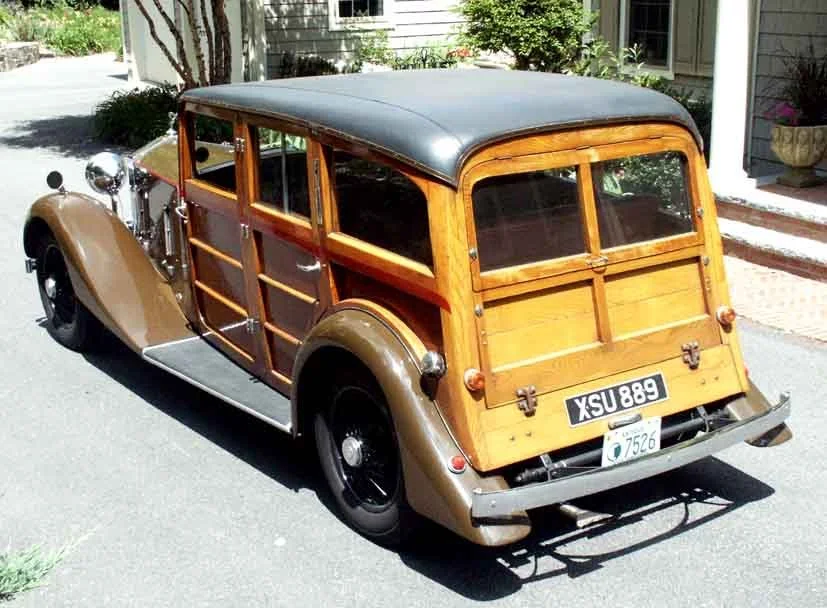
While this website described this shooting brake as a 1934 20/25 Cockshoot chassis GED68 owned by Mark Harrison (NH). However, GED68 is a Park Ward Saloon owned by Mark Harrison. Givne the UK registration plate XSU 899, it is more likely GYD21 a 1934 20/25 Cockshoot Shooting Brake.
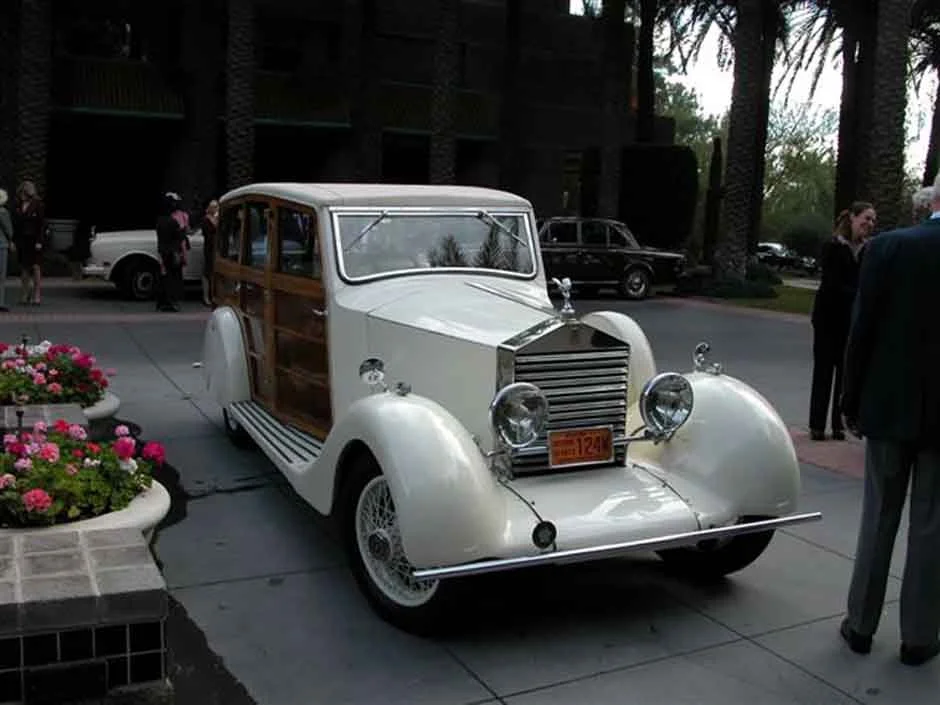
This 1926 20HP (GOK9) belongs to David Dodge of Phoenix, AZ. David says it was last known to have it's Windovers Saloon coachwork in 1939. Like many chassis in the UK during the WWII privations, it's body was probably sacrificed for the war effort and then fitted with the Brake Coachwork. This car has the canoe bottom wood strips to the headliner.
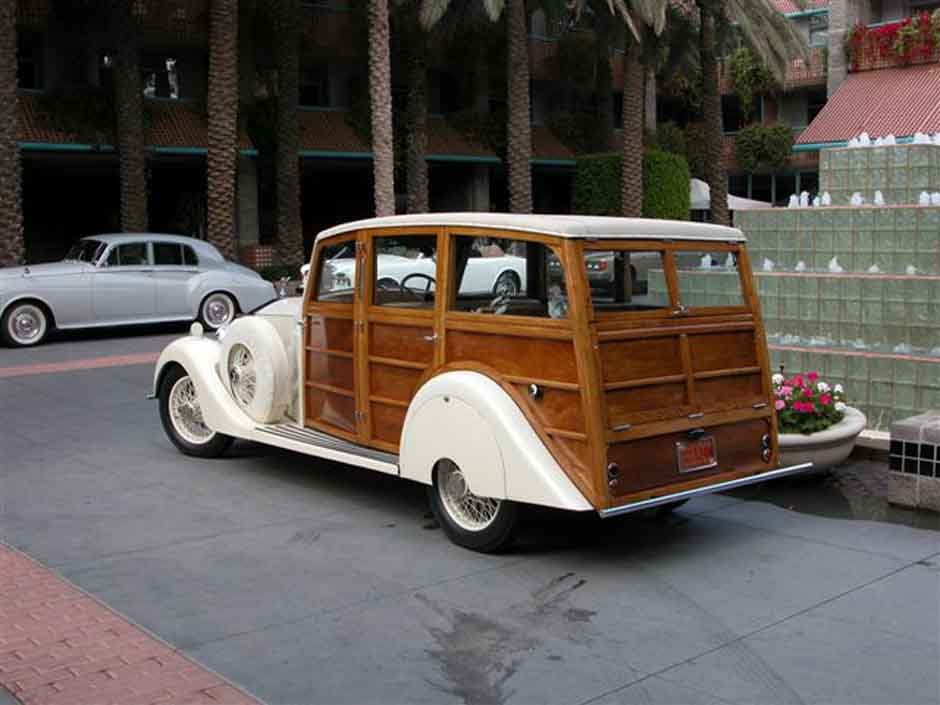
This 1926 20HP (GOK9) belongs to David Dodge of Phoenix, AZ. David says it was last known to have it's Windovers Saloon coachwork in 1939. Like many chassis in the UK during the WWII privations, it's body was probably sacrificed for the war effort and then fitted with the Brake Coachwork. This car has the canoe bottom wood strips to the headliner.
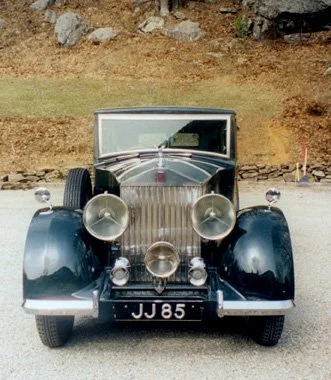
This 1933 20/25 (GRW 34) has been in Arlan Ettinger's family for the last several years. It was purchased from the late Mr.& Mrs. Lewis' estate (Macon, GA) and had not been used since the late 1950's. It was re-bodied in 1950 by the Jersey Motor Works on the isle of Jersey, one of the Channel Islands. The idle 42 years were corrected by Sam Rawlings who made it road worthy in Georgia. Arlen and family used it until it developed a cylinder hole. It was then mechanically corrected by Pierce Reid in Stowe, VT. The family looked forward to continued use in and around N. Litchfield Co. CT.
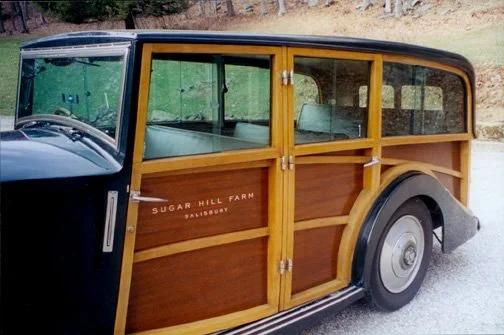
1933 20/25 GRW 34.
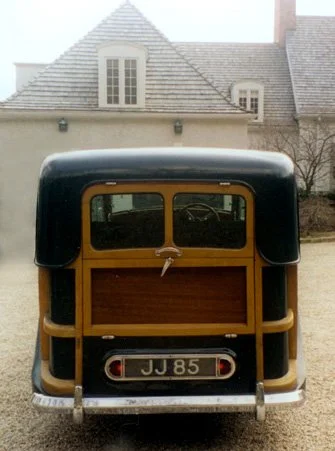
1933 20/25 GRW 34.
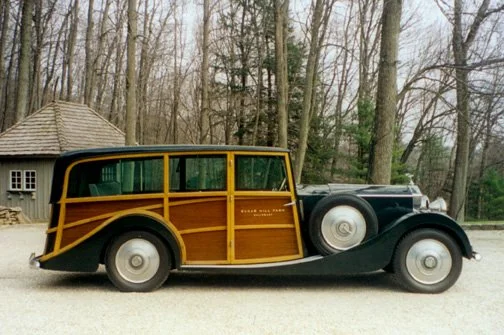
1933 20/25 GRW 34.
This 1933 20/25 (GGA 76) belonged at the time of the photo to Peter Egeli (MD). Reportedly, this is a rebody by Walker Coachbuilders of Watford, UK.
This 1933 20/25 (GGA 76) belonged at the time of the photo to Peter Egeli (MD). Reportedly, this is a rebody by Walker Coachbuilders of Watford, UK.
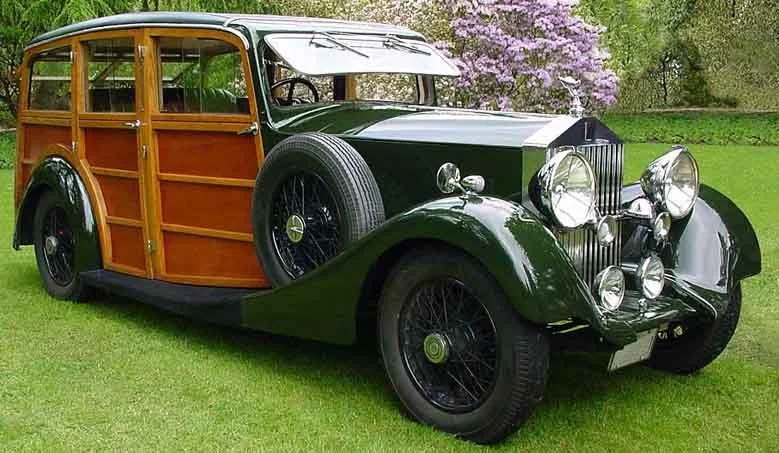
Unknown. Please send us any information.
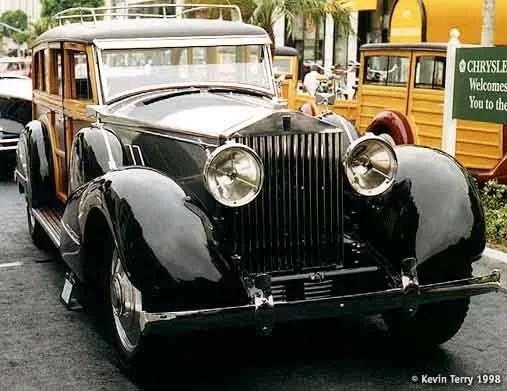
Unknown. Please send us any information.
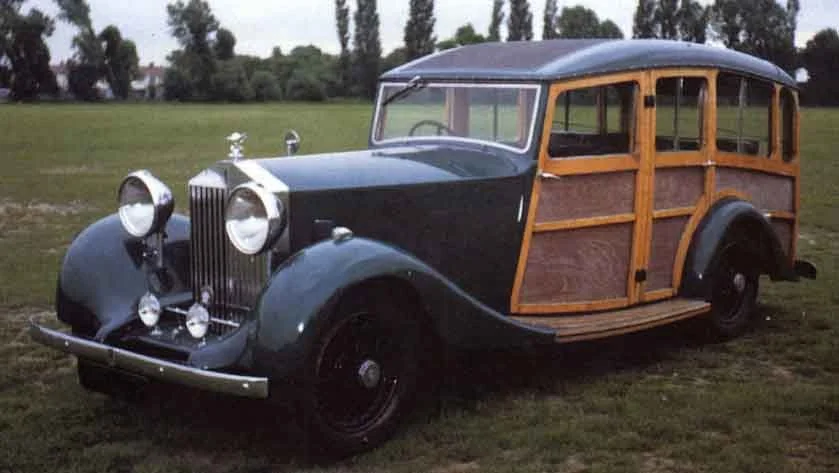
This is 1935 20/25 (GLG51). The color shot is from a 1991 auction brochure. The B/W is from a UK shot in it's past.
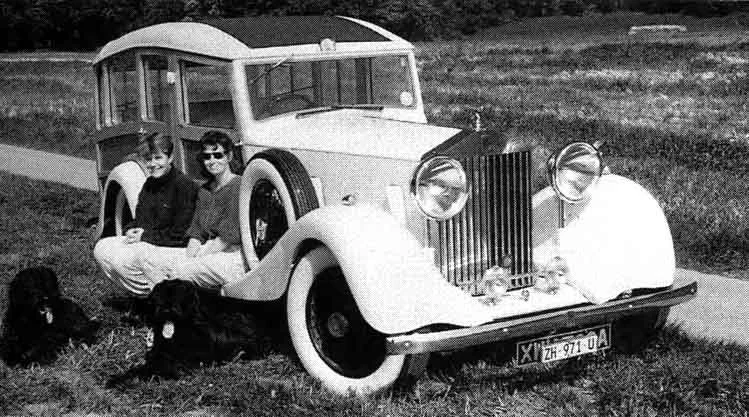
This is 1935 20/25 (GLG51). The color shot is from a 1991 auction brochure. The B/W is from a UK shot in it's past.
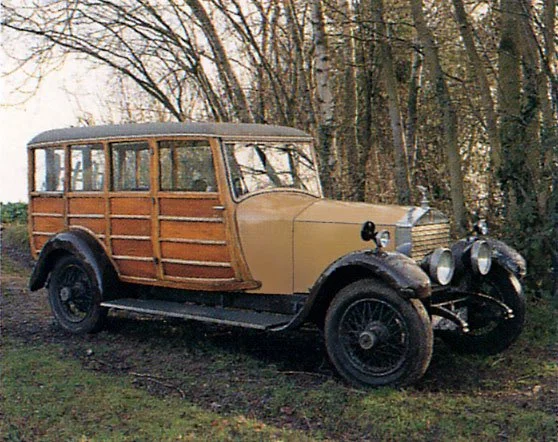
1926 20 HP re-body. As most Shooting Brakes are re-bodies, it is hard to state the carriage vintage in terms of the chassis date.
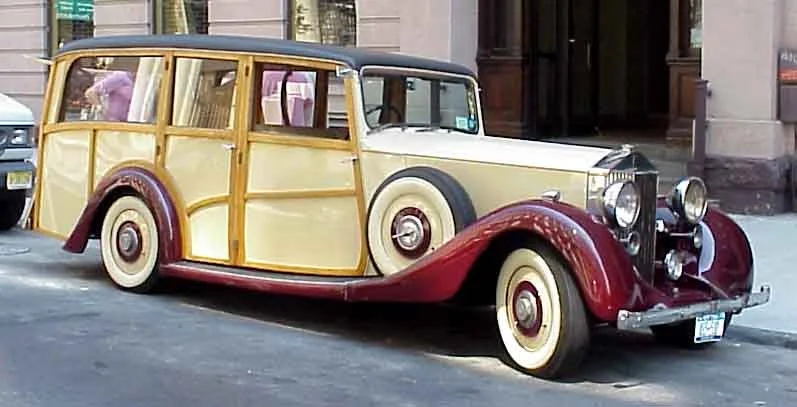
A 1936 25/30 Hooper Estate Wagon GUL23 owned by Maurice Margules (NY) shown here doing antiques deliveries in the Big Apple. Quite a lofty daily use of a fine livery.
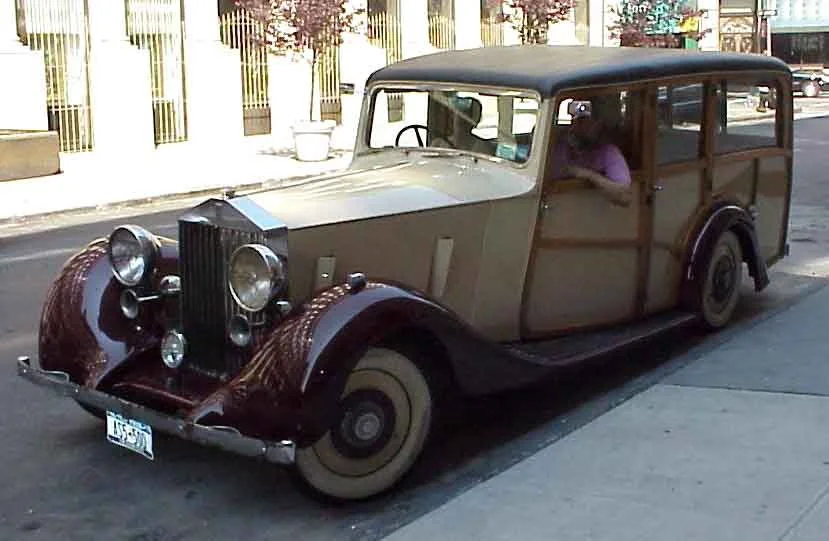
A 1936 25/30 Hooper Estate Wagon GUL23 owned by Maurice Margules (NY) shown here doing antiques deliveries in the Big Apple. Quite a lofty daily use of a fine livery.
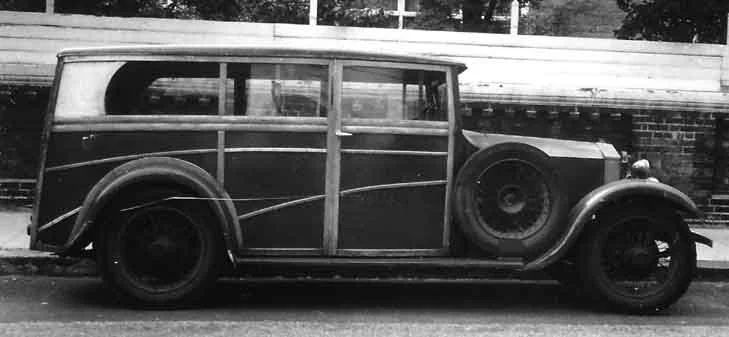
20HP. Send us any information.
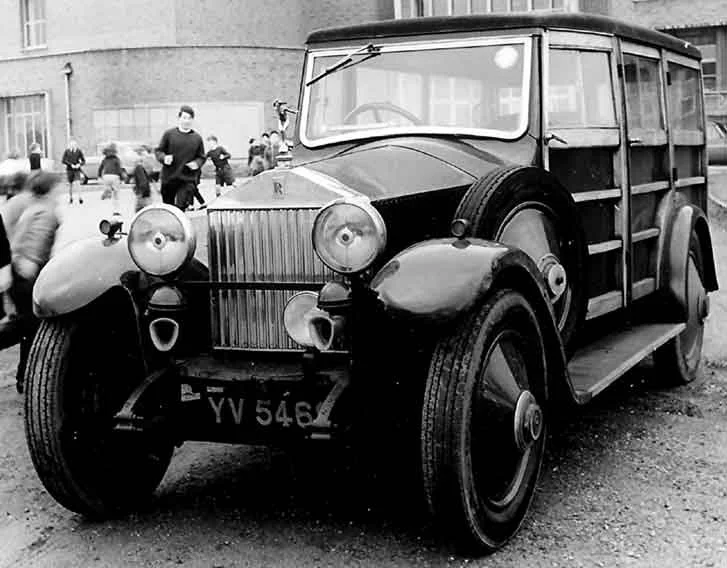
1927 20HP GRJ76, originally a Hooper Landaulette. Shooting brake builder unknown.
Open Touring Cars
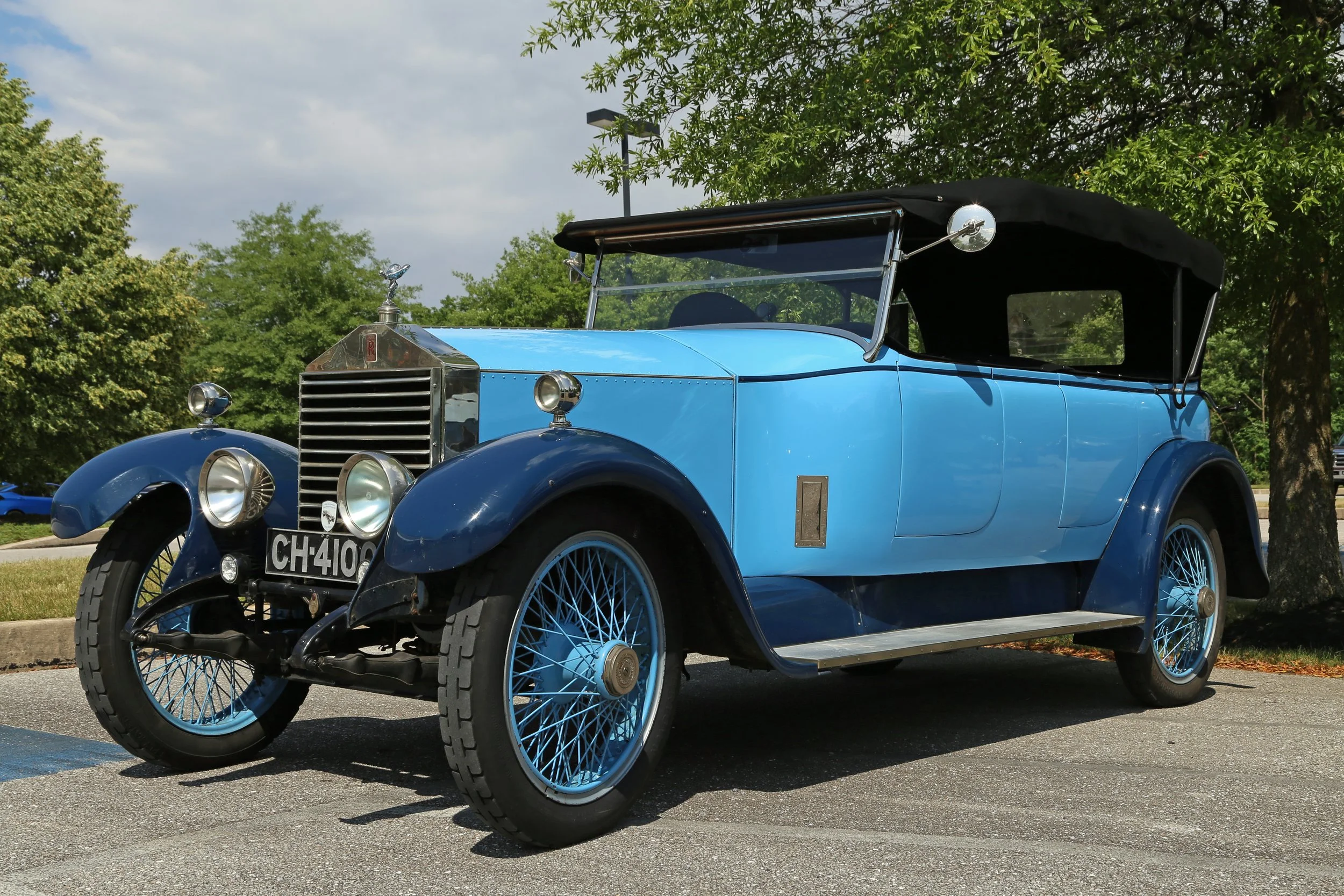
1923 20HP Sanderson & Holmes open tourer GF15.
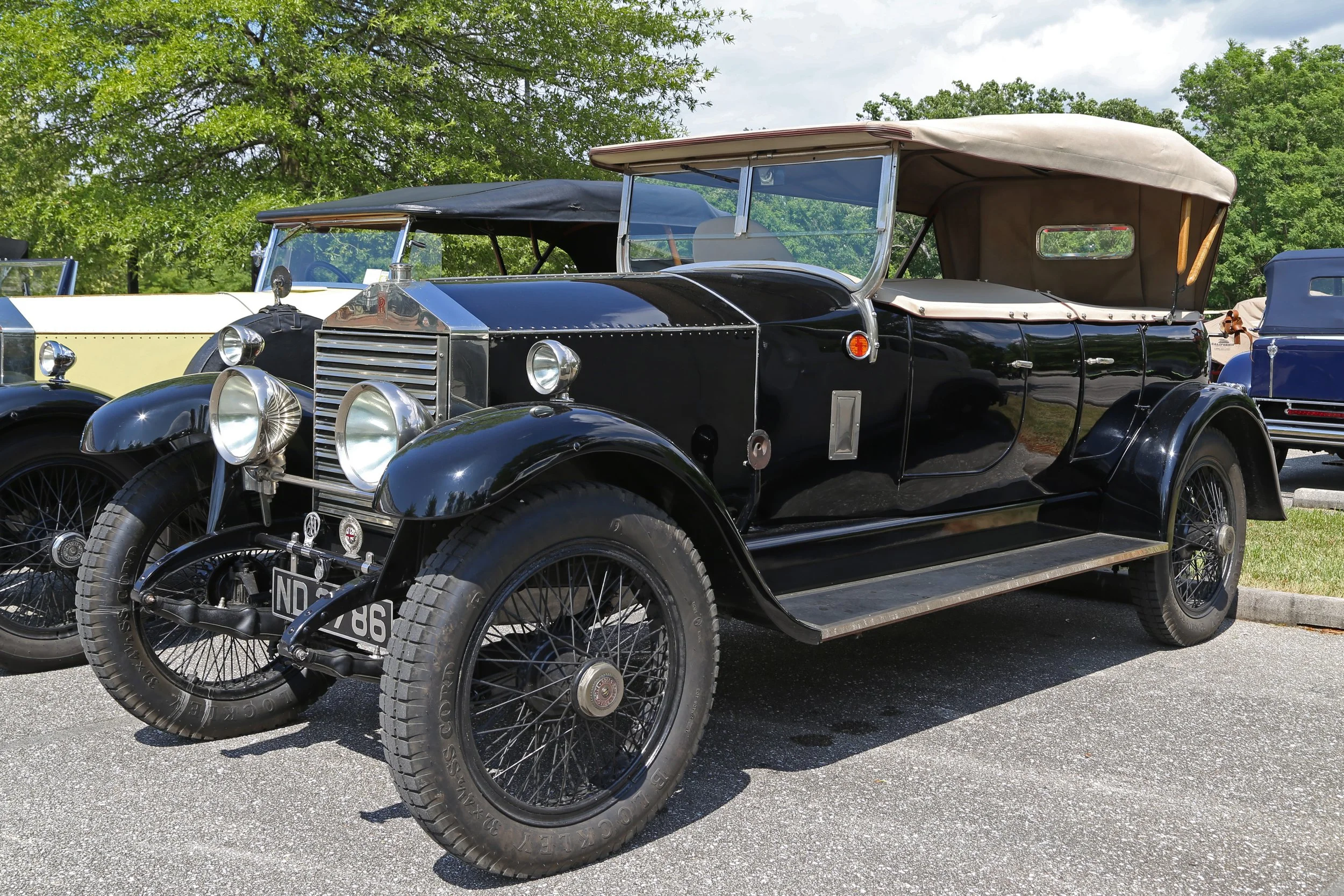
1923 20HP barrel-sided open tourer in the style of Barker GA26. For more on GA26 see the Flier of November 2023, Issue 23-4.
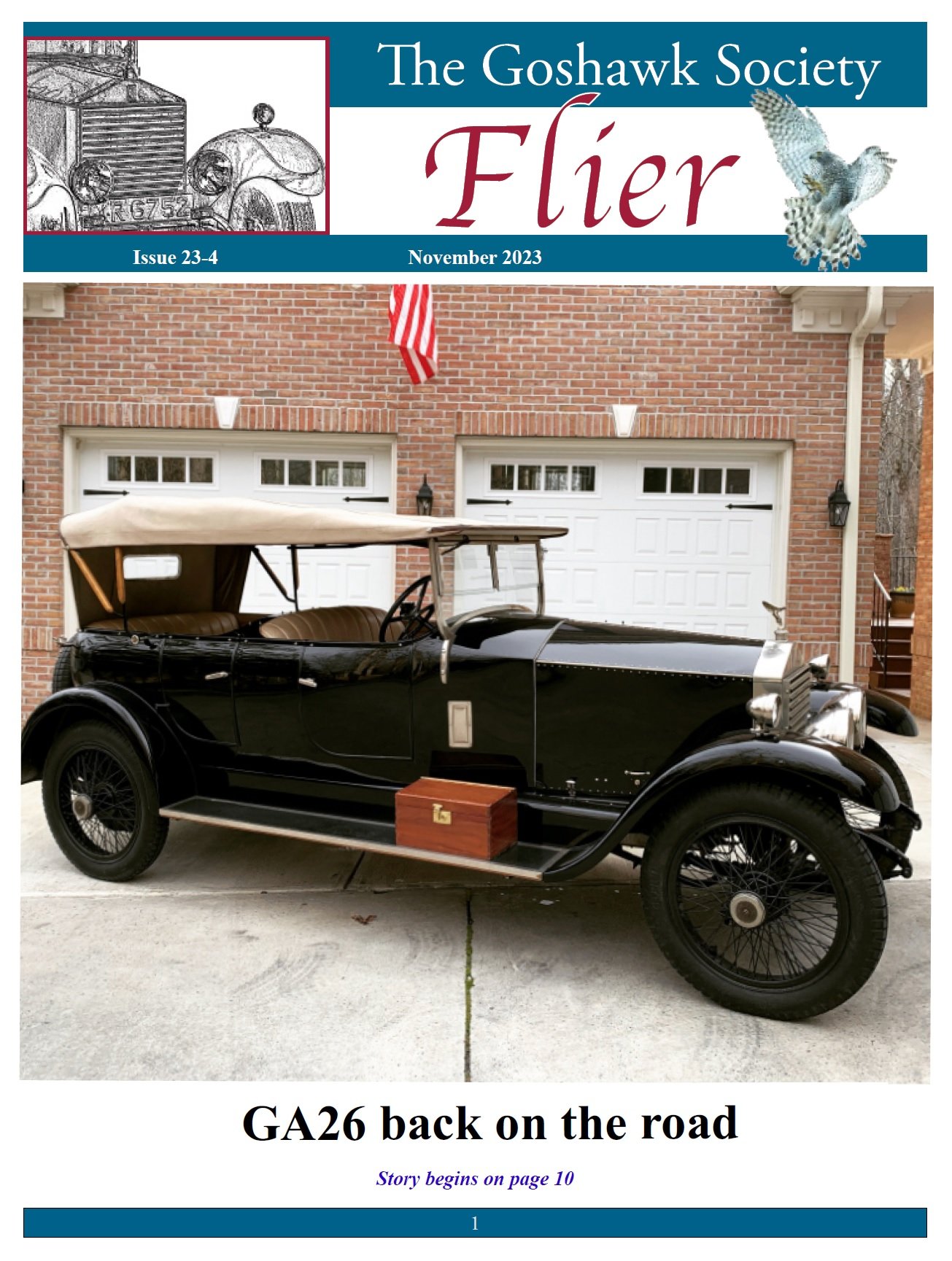
1923 20HP barrel-sided open tourer in the style of Barker GA26. For more on GA26 see the Flier of November 2023, Issue 23-4.
Drophead Coupe
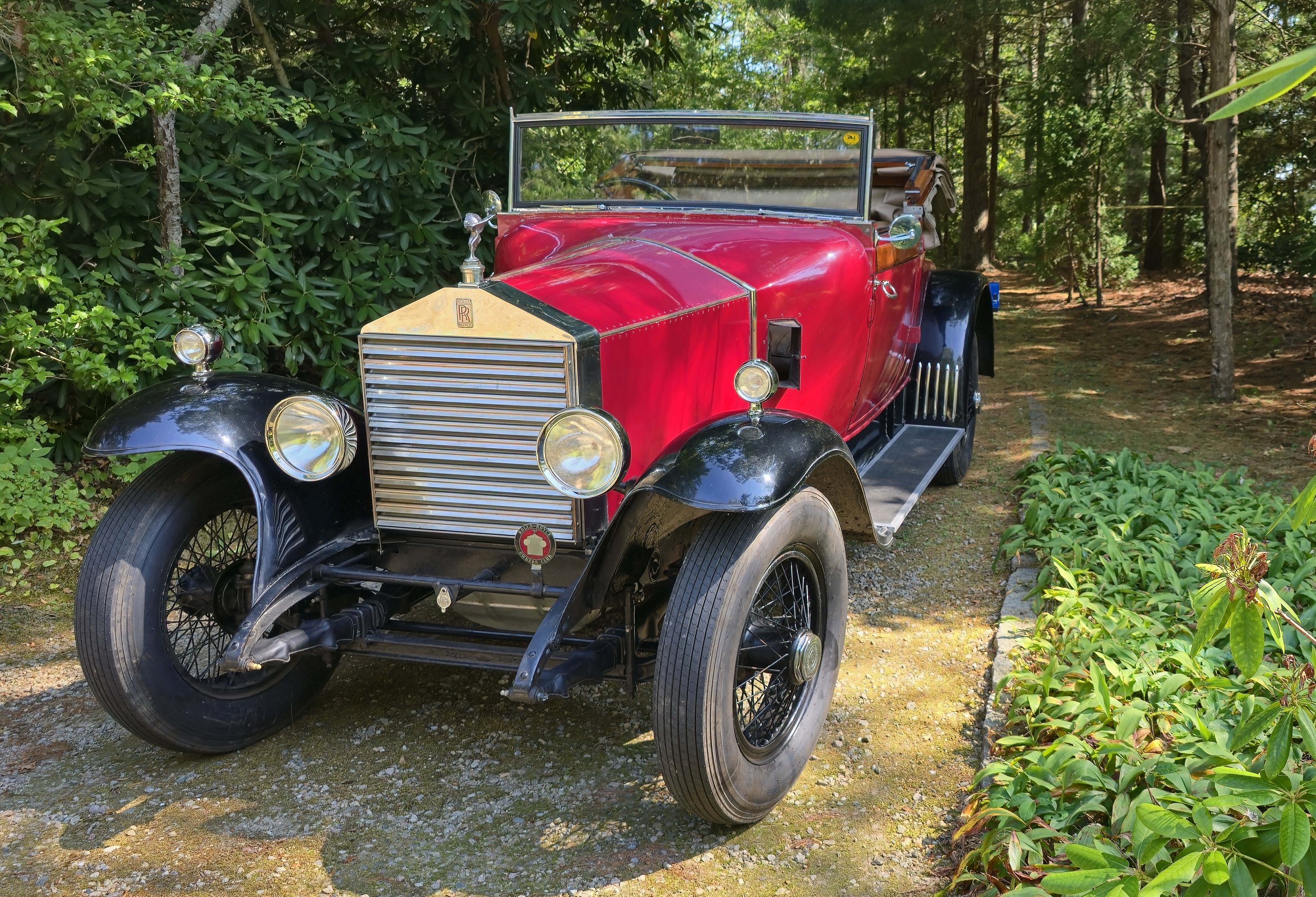
1923 20HP Barker Drophead Doctor's Coupe 89K1. Possibly the oldest 20HP in the US still with the original coach work it sported when imported in 1923 for Mortimer Leob Schiff. For more on its history see the Flier, February 2024, Issue 24-1.
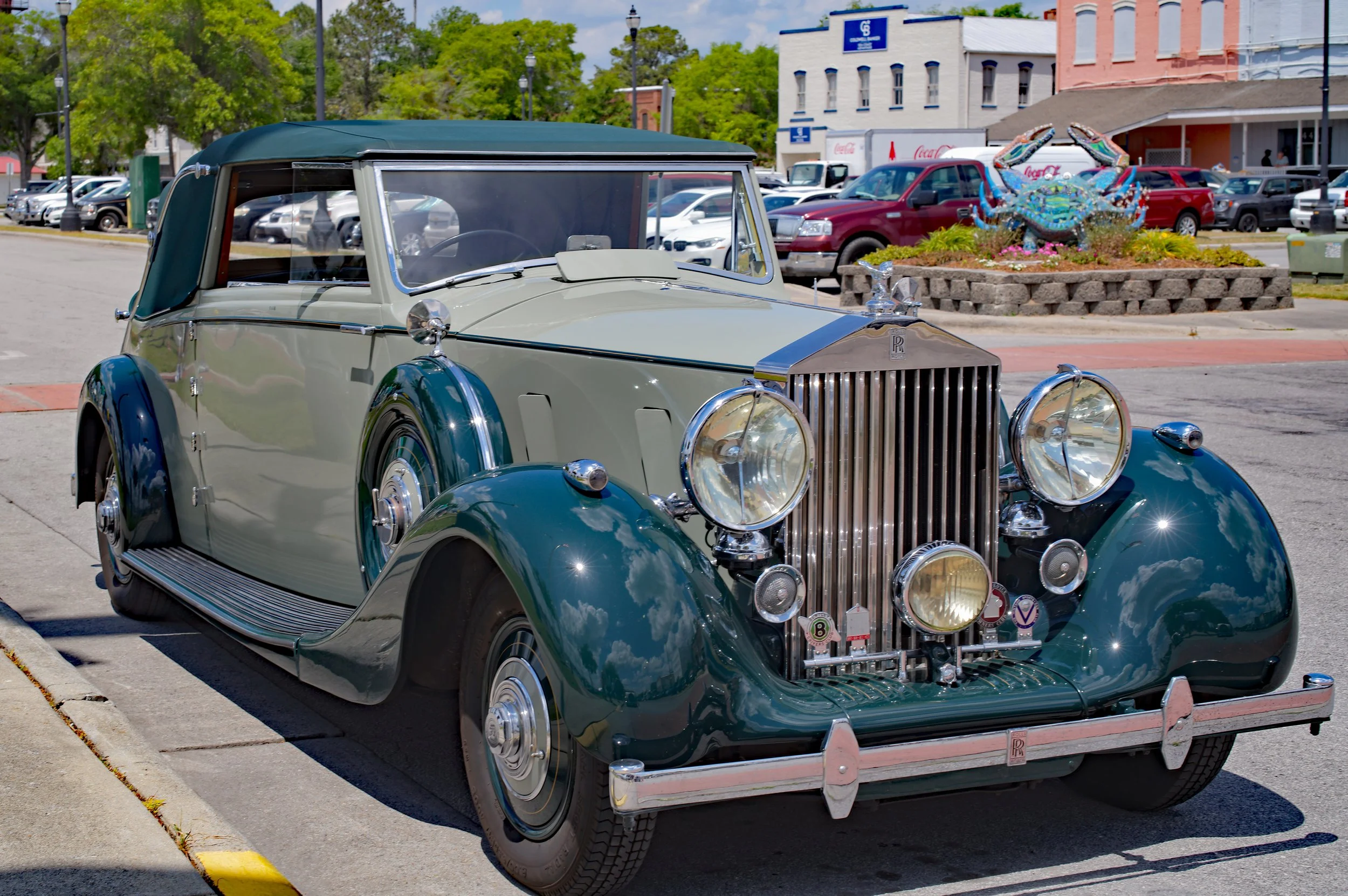
1939 Wraith Park Ward drophead coupe, WXA7. For more WXA7, see the Flier, August 2024, Issue 24-3.